Ahmedabad, Gujarat, India.
×
Fill the Form

About Us
Asha Technocrats delivers high-quality, technology-driven solutions for water treatment, swimming pools, heating, and heat recovery applications. With a commitment to innovation, competitive pricing, and dedicated service, we ensure complete customer satisfaction.
Get a free quote
UV System

Explore Our Products
UV System
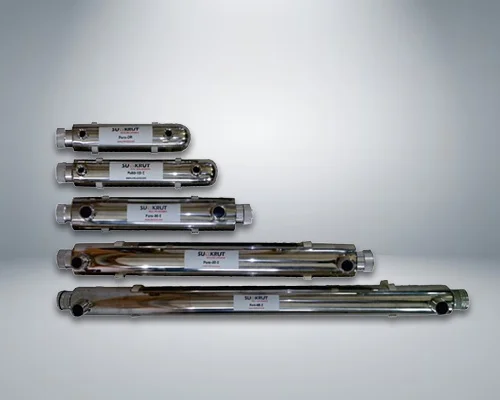
Pure-Q Series
Sukrut
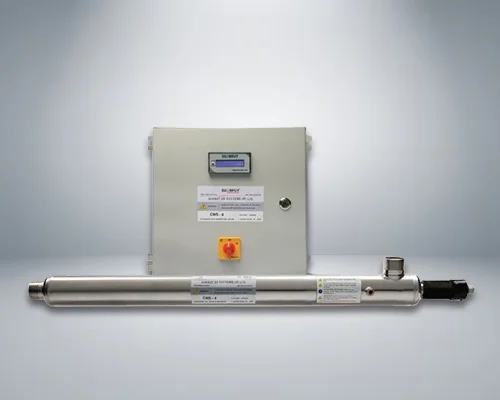
CWS Series
Sukrut
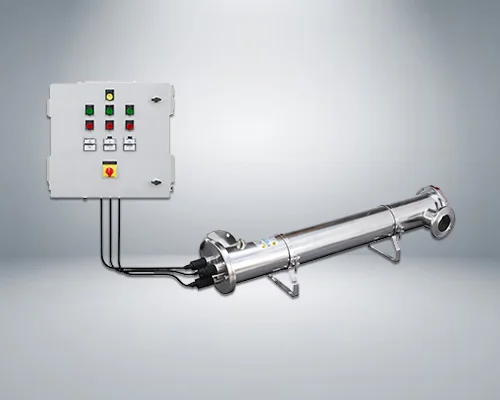
MCS Series
Sukrut
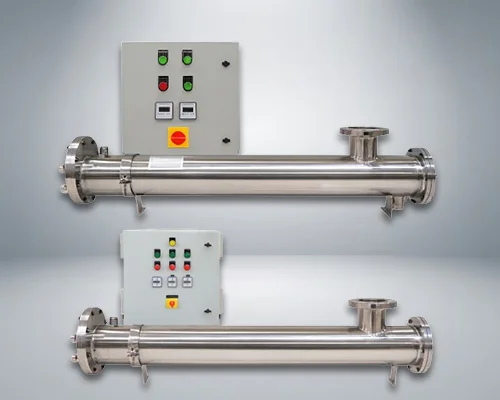
WEL & WBL Series
Sukrut
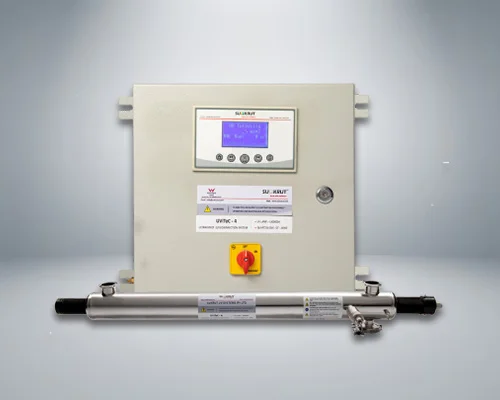
UViTeC Series
Sukrut
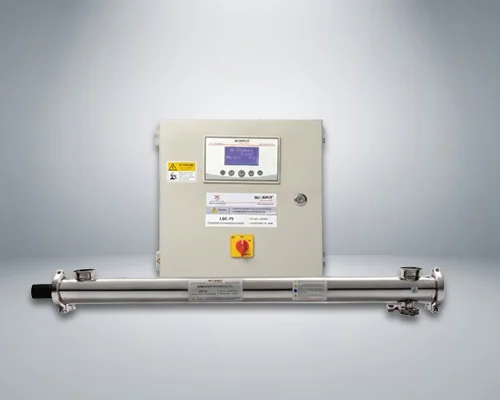
LSC Series
Sukrut
FAQ
Got Questions? We’ve Got Answers
What is a UV water treatment system?
A UV system uses ultraviolet light to disinfect water by destroying bacteria, viruses, and other microorganisms. It does this without adding chemicals, making it a safe and eco-friendly solution.
How does UV disinfection work?
UV light penetrates microorganisms and damages their DNA, preventing them from reproducing. This effectively neutralizes harmful pathogens in the water.
What is UV dose and why is it important?
UV dose is the amount of UV energy delivered to water (measured in mJ/cm²). A higher dose ensures effective disinfection. Standard systems typically operate at 30–40 mJ/cm² for safe drinking water.
How do I choose the right UV system?
Key factors:
• Flow rate (LPH or m³/hr)
• Water quality (turbidity, TDS)
• Application (drinking, industrial, etc.)
• Required UV dose
What contaminants can UV systems remove?
UV systems are effective against:
• Bacteria (e.g., E. coli)
• Viruses
• Protozoa (e.g., Giardia, Cryptosporidium)
Note: UV does not remove dissolved solids, chemicals, or heavy metals.
How often does a UV lamp need replacement?
UV lamps typically last 8,000 to 9,000 hours (~1 year of continuous use). Even if the lamp glows, its intensity decreases over time, so annual replacement is recommended.
Does UV treatment change water taste or odor?
No. UV treatment does not alter taste, smell, or color because it is a physical disinfection process.
Where are UV systems commonly used?
• Drinking water purification
• Industrial process water
• Pharmaceuticals
• Food & beverage industry
• Hospitals and laboratories
• Wastewater treatment
What happens if power fails?
UV systems require electricity. During power failure, disinfection stops. Many systems include:
• Alarm systems
• Flow shut-off valves (optional for safety)
What maintenance is required?
Basic maintenance includes:
• Replacing UV lamp annually
• Cleaning/replacing quartz sleeve
• Checking ballast and electrical components
• Replacing pre-filters periodically
Email Address:
Our Address
87, Neelkanth Industrial Park, Ambica Mill Compound, Near Vatva Overbridge, Vatva, Ahmedabad- 382445 Gujarat, India.